Where Does Your Yard Drain Actually Go?
Most Chino Hills homeowners know where their yard drains start: the grates in the lawn, the planters, the side yard and the patio, plus the downspouts tied in along the way. Very few know where they end. On a hillside lot that is worth finding out before this winter, because the answer decides whether a big storm leaves through the curb or comes back into the house.
The four places a yard drain can end
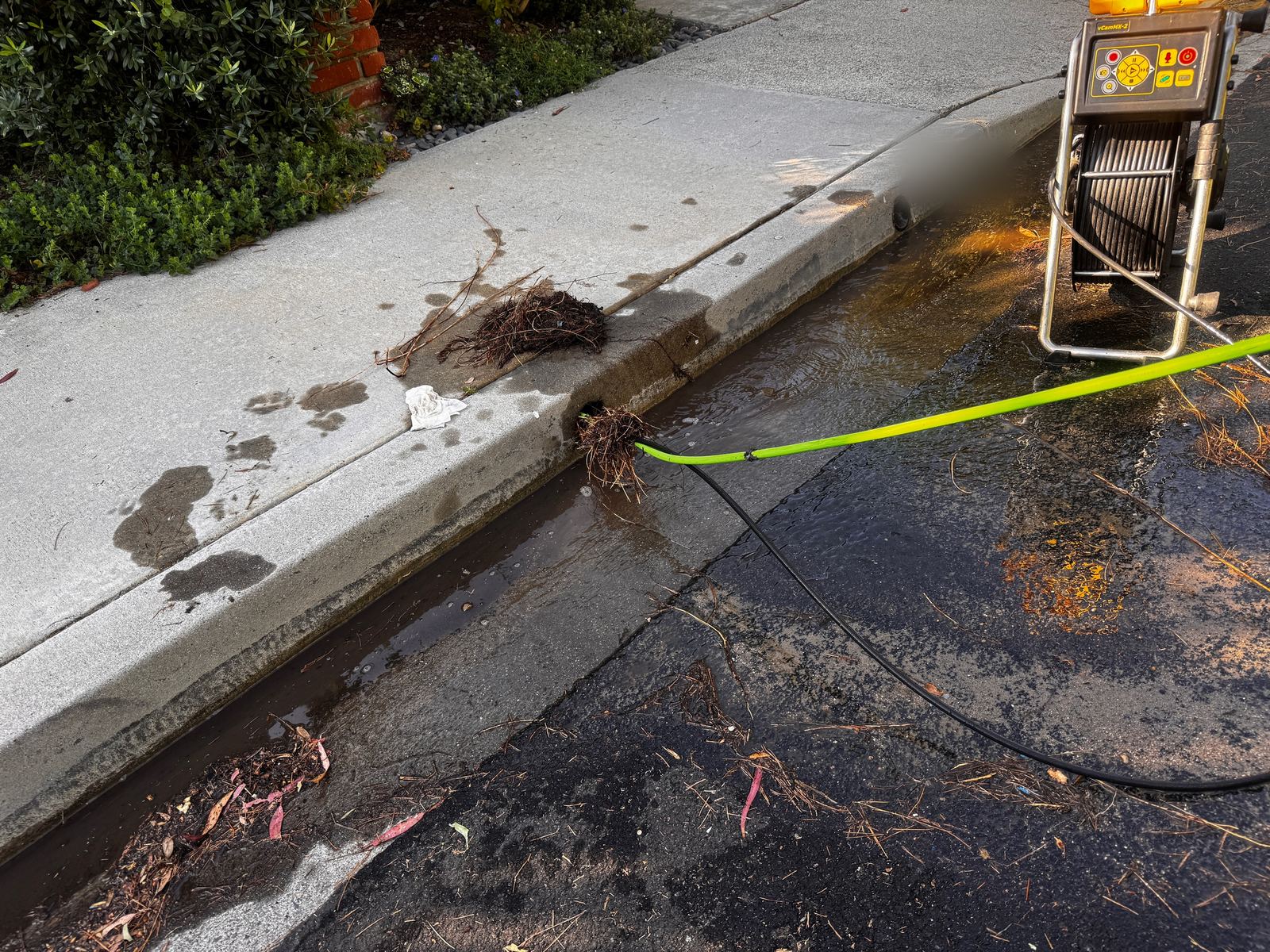
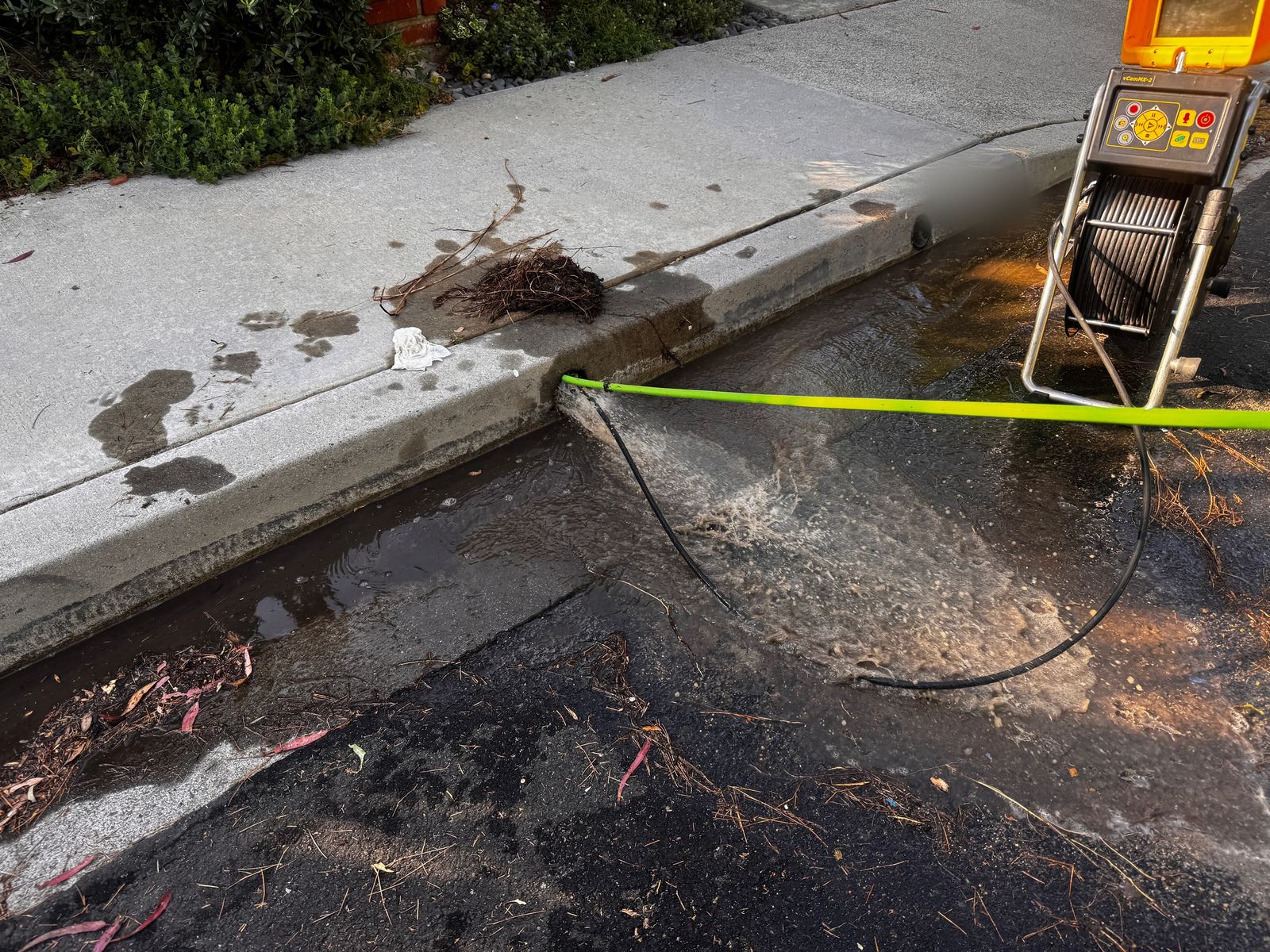
The curb. This is the most common setup in tract neighborhoods. The buried line runs to the front of the lot and exits through a small round opening in the curb face. Rain goes to the gutter and into the city storm drain. When you can see that outlet, you know where the line ends, and it is the first place to look when something stops working.
A dry well or sump. Some lots, especially ones without an easy downhill path to the street, send yard water to a gravel pit or a buried basin that lets it soak into the soil. These fill with silt over the years and stop absorbing as fast as they used to.
A slope or swale. On hillside properties, a line may simply daylight partway down the slope or into a concrete swale. Erosion and brush can bury those outlets.
The sewer. This one isn’t supposed to exist. The California Plumbing Code states it directly in section 1101.3: storm water shall not be drained into sewers intended for sanitary drainage. Even so, a previous owner or a handyman sometimes tied a downspout or yard drain into the nearest sewer cleanout because it was close and it worked.
Why a sewer connection matters in a wet winter
Your sewer lateral is sized for what the house sends it: showers, toilets, laundry and the kitchen sink. A yard drain tied into it adds every gallon that lands on the roof, the patio and the lawn. As one California sanitary district puts it, runoff piped into the sewer can dramatically increase the volume of water going to the treatment plant. Inside your own lateral, a heavy storm can mean more water than the line is built to carry, and the lowest drain in the house is where it looks for a way out.
That is a real concern this year. According to NOAA's Climate Prediction Center, the odds of a very strong El Niño this fall and winter are better than 90 percent, with the peak expected between November and January. Forecasts are not guarantees, but a yard drain tied into the sewer is the kind of problem a wet winter finds quickly.
How to find out where yours goes
- Walk the front curb and look for a round outlet in line with your yard. Grass or roots growing out of it are a clue too.
- Run a garden hose into your highest yard drain for a few minutes. Water should appear at the curb outlet and keep flowing.
- If the curb stays dry, open your sewer cleanout cap (usually near the front of the house) while the hose runs. Water arriving there is a strong hint the drain is tied in.
- Follow each downspout to where it disappears into the ground.
If the hose test leaves you with more questions than answers, call 714-992-6363.
Tracing the line instead of guessing
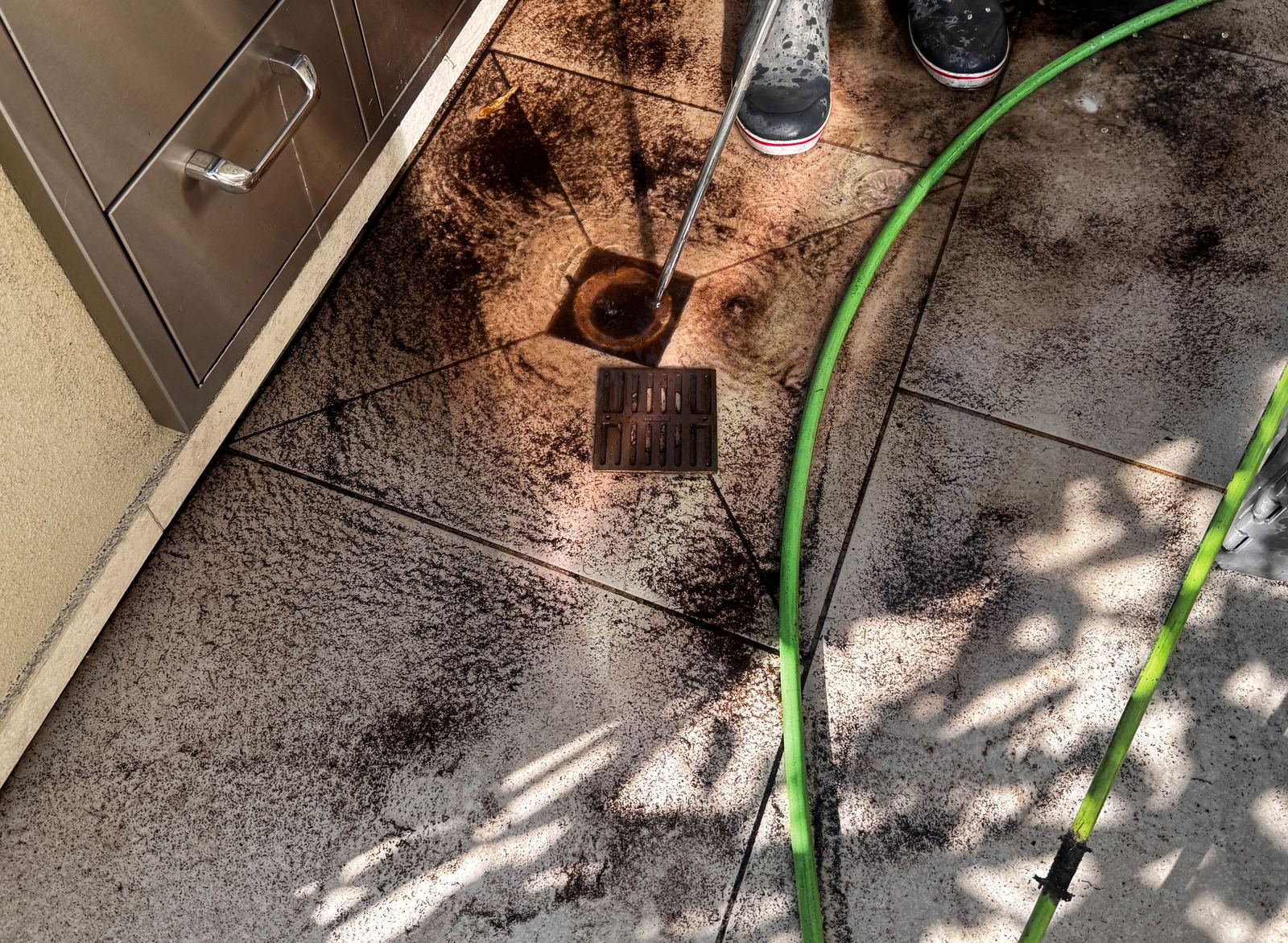
When nobody knows where a line runs, a camera with a locator transmitter answers it. The camera goes in at the grate, and we follow the signal across the yard and mark its route on the surface, with every point located by cable distance from where the camera went in. You end up knowing where the line runs, where it ends, and whether anything along the way is in its path.
If a line turns out to be choked with silt and roots, a high-pressure jetter clears it out to the curb. If it turns out to be tied into the sewer, that is a job for a licensed plumber to re-route, and you will know exactly where the connection is before anyone digs. FlowPro is new, but the inspector behind it is not: Rob Kruger has been inspecting Southern California homes since 2020.
Know where your yard drains go before the rain does
The first big El Niño storm is the wrong time to find out. Book a yard drain check in Chino Hills or anywhere in the Inland Empire now.
Call 714-992-6363